
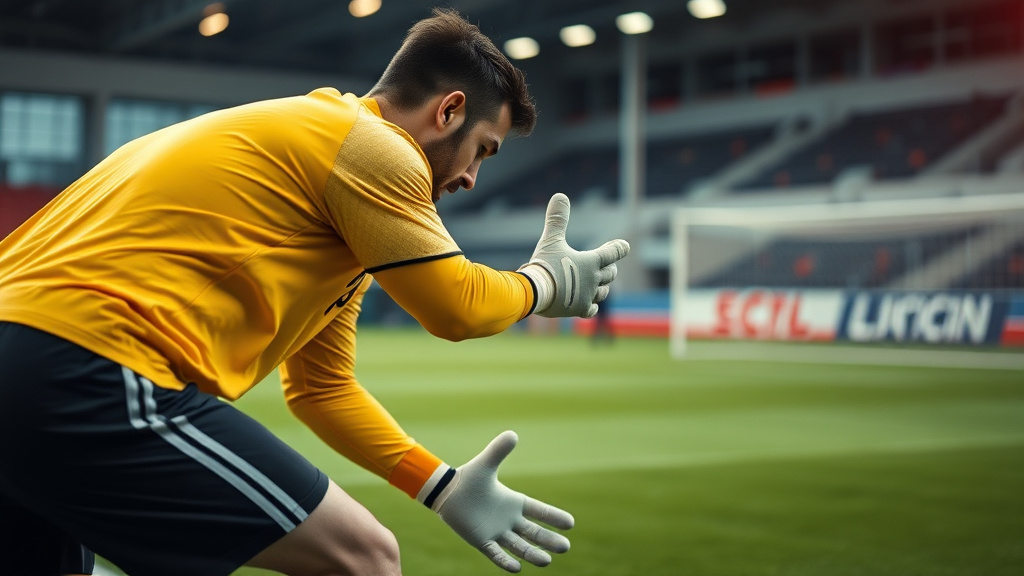
In the last few years, the evolution of goalkeeper training has fundamentally transformed defensive excellence across premier football leagues around the world. Detailed biomechanical assessment, specialized agility drills, and psychological development have replaced traditional methods, producing a new generation of shot-stoppers with extraordinary reflexive abilities and tactical awareness. This article examines the advanced training approaches transforming the role, investigating how top clubs implement forward-thinking strategies to goalkeeper improvement and the quantifiable influence these methods have on collective team results and defensive standards.
Advanced Training Techniques Revolutionize Goalkeeper Progress
The integration of advanced technological approaches has significantly transformed goalkeeper training at the elite tiers of professional football. Video analysis systems, motion capture technology, and real-time biometric monitoring now serve as the foundation of professional development initiatives. Coaches employ sophisticated platforms to dissect opponent shooting patterns, anticipate ball trajectories, and refine tactical positioning. These innovations enable goalkeepers to practice with exceptional accuracy, addressing individual weaknesses while reinforcing technical strengths. The shift from generic drills to customized, analytics-based training has dramatically accelerated skill acquisition and competitive reliability across top professional competitions.
Psychological resilience training has developed into an equally vital component of modern goalkeeper development. Mental conditioning programs, stress inoculation techniques, and confidence-building protocols now are prioritized equally alongside physical preparation. Contemporary coaching staff recognize that elite goalkeeping demands superior mental awareness and composure under extreme pressure. Specialized sports psychologists partner with technical coaches to develop mental frameworks allowing goalkeepers to preserve high-level performance during crucial matches. This holistic approach combines biomechanical optimization with psychological fortitude, producing goalkeepers capable of achieving sustained excellence and elevating defensive standards throughout professional football.
Advanced Technology Integration in Goalkeeper Coaching
Modern goalkeeper training has been revolutionized through cutting-edge technological systems that provide exceptional insights into performance metrics. Video analysis software, movement capture technology, and continuous biometric data enable coaches to recognize fine-tuned movements and reaction patterns with pinpoint accuracy. These technologies let goalkeepers to examine their positioning, passing accuracy, and decision-making processes frame-by-frame, increasing the development curve in a major way. VR-based simulations now replicate intense match situations, preparing keepers both mentally and physically for varied attacking approaches they’ll encounter during match play.
The merger of AI and machine learning has substantially improved goalkeeper training to new heights. Advanced algorithms examine opponent shooting patterns, enabling goalkeepers predict ball paths and positioning needs prior to shots. Wearable technology tracks fatigue indicators, load distribution, and injury prevention factors, enabling tailored recovery strategies. These data-driven approaches have transformed conventional coaching into objective, measurable improvement pathways. Clubs investing in such tech infrastructure demonstrate measurable enhancements in save percentages, distribution accuracy, and overall defensive stability across their team.
Psychological Conditioning and Mental Resilience Initiatives
Modern goalkeeper training goes well beyond physical preparation, encompassing comprehensive psychological conditioning programs that build mental resilience. Elite clubs now employ sports psychologists who dedicate themselves to goalkeepers, creating personalized strategies to address pressure, anxiety, and performance expectations. These programs feature visualization techniques, mindfulness training, and cognitive behavioral approaches that enable goalkeepers to stay concentrated during high-stakes matches. By confronting the psychological demands of the position, clubs have significantly reduced error rates and enhanced reliability among their shot-stoppers, understanding that mental strength strongly connects to on-field performance and career longevity.
Mental toughness preparation has become integral to goalkeeper progression, equipping players for unavoidable errors and challenges specific to the position. Specialized programs teach goalkeepers to bounce back after goals allowed, preserve self-belief despite mistakes, and adapt strategically to changing match circumstances. Sports psychologists implement scenario-based training where goalkeepers visualize challenging situations, building self-control and decision-making skills in high-pressure moments. This psychological training transforms how goalkeepers process failure, converting adverse situations into learning opportunities rather than self-doubt triggers. The result is a group of mentally tougher, more adaptable goalkeepers capable of maintaining performance at the highest professional levels.
Leadership and communication training initiatives have revolutionized goalkeeper roles within defensive systems. Contemporary coaching emphasizes how goalkeepers organize defensive lines, communicate tactical adjustments, and offer mental support to teammates. These programs enhance emotional intelligence, dispute management, and team dynamics awareness, positioning goalkeepers as defensive leaders rather than lone operators. By cultivating these psychological and interpersonal skills alongside technical abilities, elite teams have elevated goalkeeper impact on total team success, building stronger defensive teams that respond effectively to match situations.
