
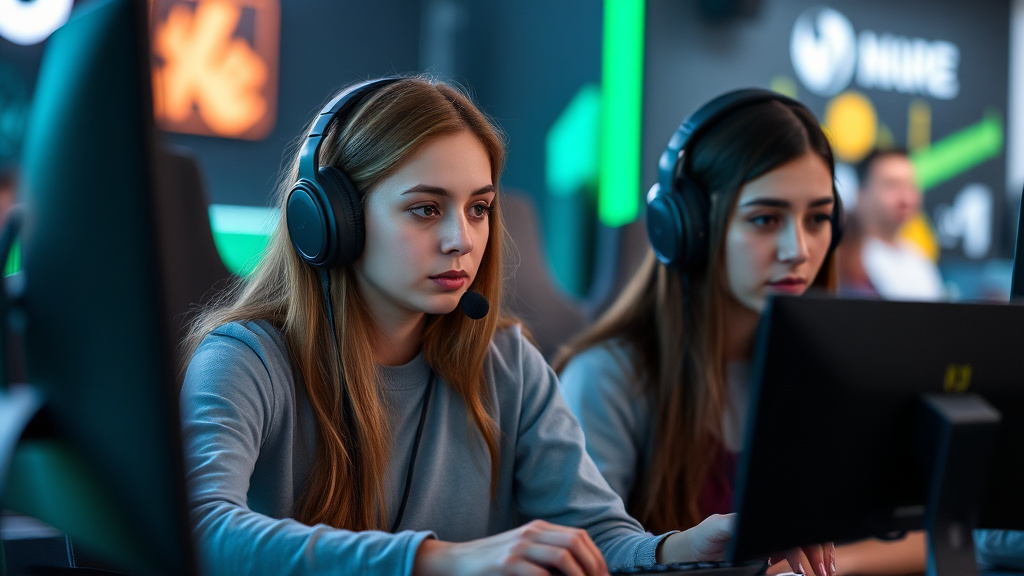
For decades, esports has been synonymous with male dominance, but a significant change is underway. Women gamers are shattering stereotypes and establishing their position in competitive gaming, confronting traditional views and inspiring a new generation. From tournament victories to leadership roles, the women in gaming movement is transforming an industry long plagued by exclusion. This article explores the groundbreaking achievements, persistent obstacles, and transformative impact of women competitors reshaping esports culture worldwide.
Rising Women’s Participation in Competitive Gaming
The landscape of competitive gaming has experienced significant transformation over the past decade. Women’s involvement in esports has grown substantially, with women now making up a considerable share of the gaming community. Leading competitions increasingly showcase women athletes, and viewership of women-led esports content keeps rising. This expansion reflects changing attitudes within the industry and society at large, demonstrating that talent transcends gender boundaries. The trajectory is unmistakable, as more women discover opportunities to compete at the highest levels.
Statistical evidence underscores this growth pattern in women’s gaming participation. Industry reports show that female esports players have increased substantially, with some regions reporting participation increases exceeding fifty percent in recent times. Prize pools allocated for women’s competitions have grown significantly, bringing in top-tier talent and sponsorship investment. Educational programs and local programs now actively promote girls to pursue gaming competitively from an early age. This infrastructure development supports long-term expansion and establishes routes for future generations of female esports professionals.
Professional prospects for women in gaming have expanded across various titles and platforms. Major esports organizations now consistently pursue female talent, recognizing their potential and market value. Streaming platforms have amplified female voices, allowing women gamers to develop large audiences and establish themselves as influential figures. Endorsement agreements and endorsement opportunities have become easier to obtain to talented female players. These developments demonstrate genuine industry commitment to equitable participation in competitive gaming.
The psychological effect of increased female participation extends beyond individual achievement. Younger women now possess visible examples to follow to motivate their gaming aspirations and career ambitions. Communities have developed where female gamers assist and guide each other, creating communities of shared purpose and reciprocal support. This connection to community strengthens retention and fosters loyalty within the esports ecosystem. The ripple effects continue to transform views of who belongs in esports competitions.
Tournament structures have evolved to accommodate and celebrate female competitors more efficiently. Specialized women’s competitions coexist with integrated competitions, creating multiple routes to accomplishment and prominence. Leading esports companies have created female rosters with significant funding and dedicated support structures. Media coverage of matches featuring female players has grown considerably, ensuring recognition and legitimacy. These organizational shifts reflect formal acknowledgment of women’s impact to esports.
Looking ahead, the path of women’s involvement in esports competition appears growing more promising. Young female players entering the esports scene today face considerably fewer challenges than their predecessors. Continued investment in initiatives focused on women and policies promoting inclusion will help propel this favorable progress. As additional women rise as champions and leaders, the industry approaches authentic parity. The increasing surge of women’s involvement represents more than just advancement, but a essential reimagining of esports culture.
Hurdles and Challenges Women Experience in Esports
Harassment in Gaming and Toxic Player Culture
Women in esports encounter pervasive harassment that extends far beyond casual gaming. Digital harassment, ranging from derogatory comments to coordinated harassment campaigns, creates unwelcoming spaces that discourage participation. Many female players describe getting threatening messages, sexist remarks, and unwanted attention during competitive events and broadcasts. This harmful environment not only affects psychological well-being but also drives talented women away from competitive gaming entirely.
The anonymity of online platforms emboldens perpetrators, making accountability difficult. Gaming communities often normalize sexist conduct, viewing abuse as an inherent aspect of the experience. Tournament organizers and platform moderators have struggled to implement robust moderation systems. Without significant cultural shifts and more rigorous enforcement standards, this harassment barrier continues restricting women’s involvement and progress in professional esports.
Lack of representation in Professional sports teams and Sponsor deals
Female players face substantial barriers obtaining spots on competitive esports rosters and securing substantial sponsorships. Organizations frequently underestimate women’s market appeal and competitive capabilities, creating fewer opportunities and reduced compensation relative to male counterparts. Sponsorship deals continue to be primarily focused on male-dominated teams, constraining funding provided to female competitors. This disparity perpetuates the perception that women’s esports are less market-attractive.
The lack of representation establishes a self-perpetuating cycle where fewer women in professional roles deters aspiring female gamers. Investment in women’s esports infrastructure remains minimal despite growing audience interest. Many talented players find it difficult to maintain careers due to insufficient funding. Addressing unequal sponsorship distribution requires industry stakeholders to acknowledge women’s esports’ untapped potential.
Limited Media Visibility and Coverage
Women’s esports successes get disproportionately less media focus than men’s competitions, restricting prominence and fan engagement. Major tournaments highlighting female players often have insufficient media visibility, relegating them to minor channels or limited attention. This lack of visibility reinforces misconceptions about women’s performance level and interest in gaming. Mainstream media outlets rarely highlight female esports top players, overlooking the chance to motivate youth audiences.
The unequal coverage significantly affects sponsorship deals and long-term career viability for female professionals. Without adequate media exposure, women players face challenges in building individual brand identities and fan bases crucial for business growth. Journalists and content creators should actively promote female esports narratives and accomplishments. Greater exposure would bring in more participants, sponsorships, and audiences, fundamentally transforming the sector’s structure and building pathways for upcoming players.
Organizations and Movements Driving Change
Comprehensive Support Systems
A variety of organizations have emerged to champion women in esports, providing essential support and resources. Groups like Women in Games International and Dignitas Female provide coaching, networking opportunities, and professional growth initiatives. These initiatives create safe spaces for female gamers to connect, share experiences, and partner. By fostering community and collective strength, these organizations equip women to succeed in the esports industry with confidence and determination.
Tournament operators are increasingly launching female-centered competitions and circuits. Events like the VALORANT Women’s Ignition Series and CS:GO female tournaments offer dedicated platforms for female players to demonstrate their skills. These tournaments generate significant viewership and sponsor backing, proving the commercial viability of women’s esports. Such efforts recognize women gamers’ skill levels while attracting funding and press coverage to the women’s gaming sector.
Strategic Business Alliances and Support
Major gaming corporations and organizations are recognizing the value of backing female talent. Partnerships between esports groups and companies have led to substantial funding for women’s teams and programs. Companies like Intel and Red Bull have committed resources to programs advancing gender diversity in gaming. These business collaborations increase exposure, ensure funding security, and validate women’s participation in competitive gaming environments globally.
Educational institutions are also taking part in initiatives by establishing esports programs with women-focused programs. Universities now award scholarships specifically for female gamers, opening doors to professional careers. Educational validation of esports strengthens industry credibility while creating possibilities for women to enhance competitive expertise. These academic programs signal a fundamental shift in how society values and supports female participation in gaming.
Community-Focused Campaigning
Community-led movements and online advocacy efforts have amplified voices pushing for gender equality in esports. Digital platforms dedicated to supporting female gamers share resources, celebrate achievements, and challenge discriminatory behavior. Hashtags and awareness campaigns highlight systemic issues while promoting positive change. These community-driven efforts create accountability and push organizations to adopt meaningful diversity policies and safeguards against harassment.
Content creators and broadcasters play pivotal roles in promoting female engagement in gaming. Female streamers with large audiences demonstrate gaming excellence while fostering inclusive communities. Their platforms challenge stereotypes and inspire younger women to pursue competitive gaming. By presenting genuine gaming content and addressing industry challenges publicly, these content leaders drive cultural change and promote greater inclusion of women in esports.
